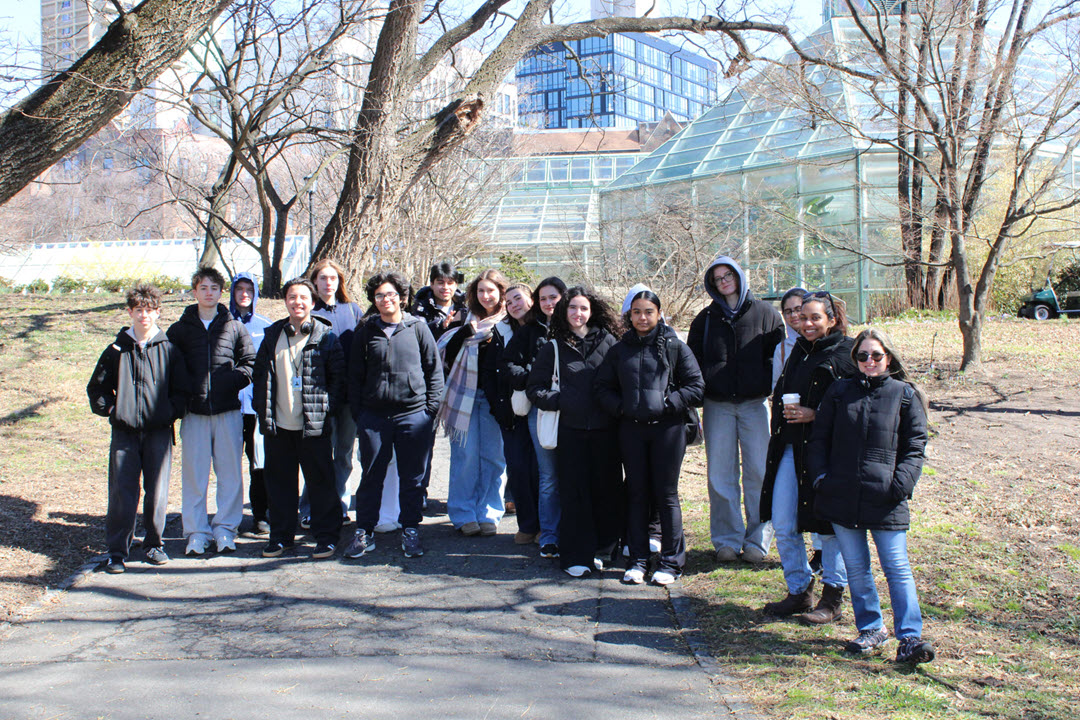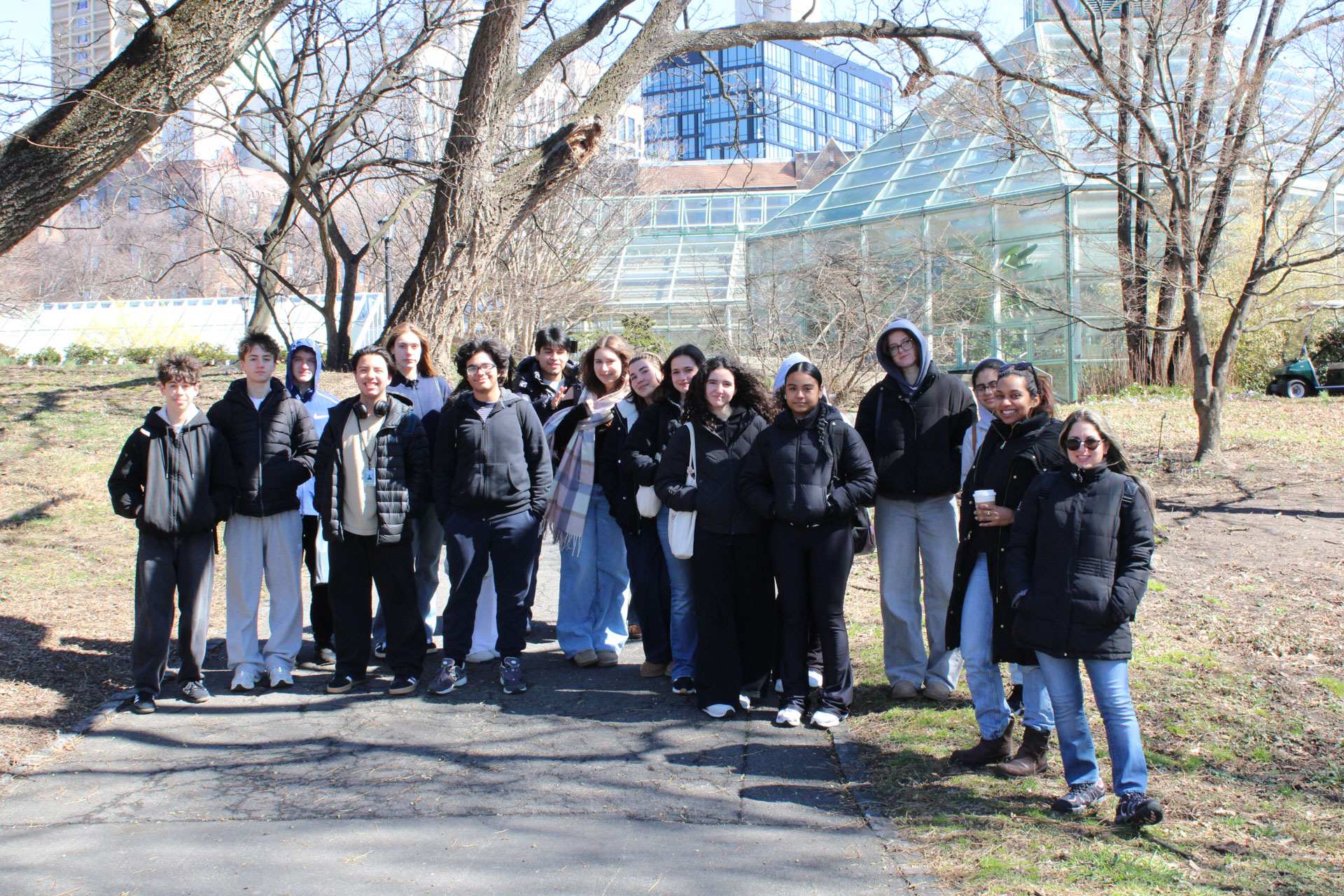
The trip to Brooklyn Botanic Garden combined architecture, biomimicry, and peer mentorship in an immersive, hands-on learning experience.
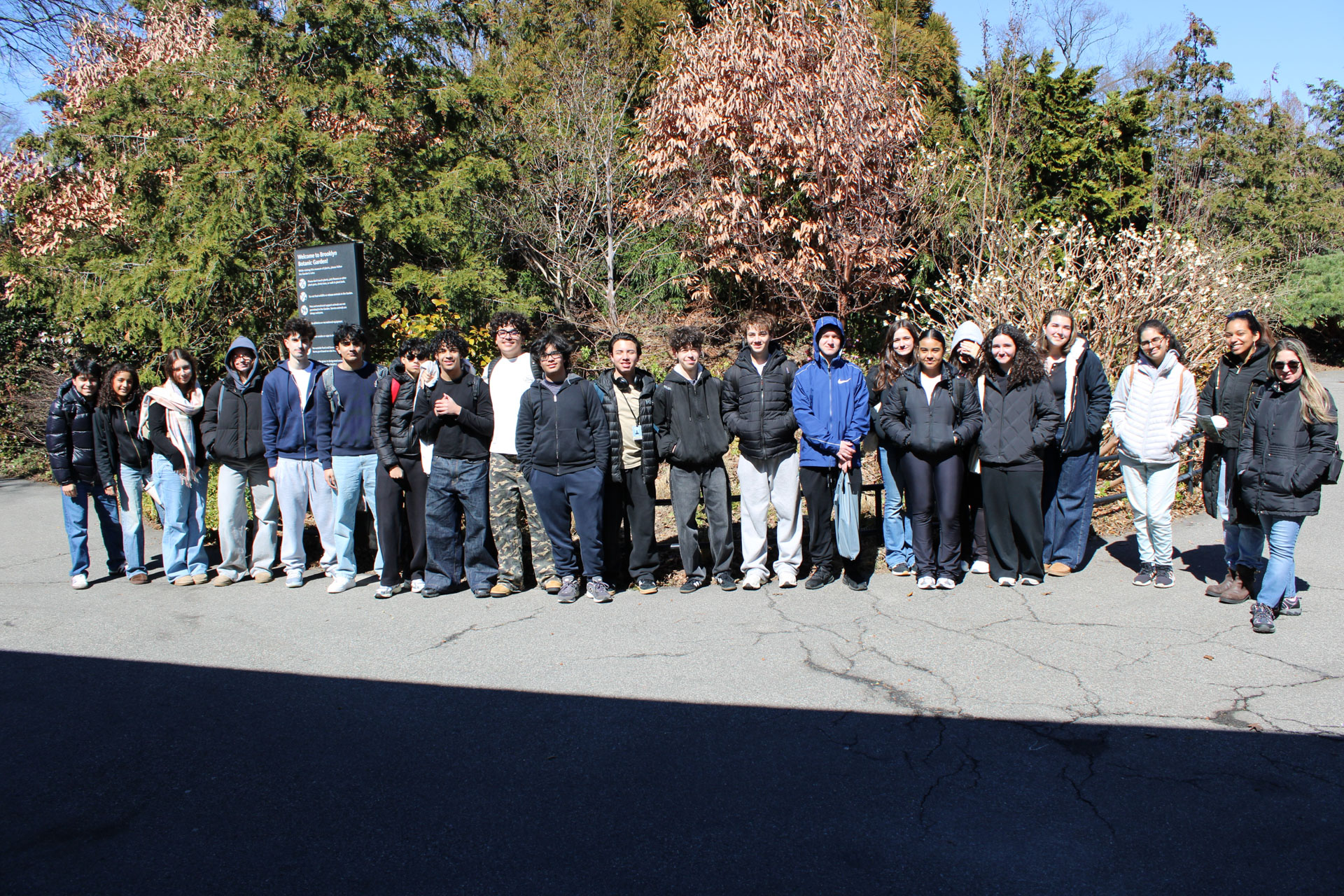
On a recent trip to the Brooklyn Botanic Garden, students in Ms. Batista’s sophomore architecture class stepped outside the classroom and into a series of living laboratories, joined by the senior simulated work environment students that supported and mentored the sophomores throughout the experience.
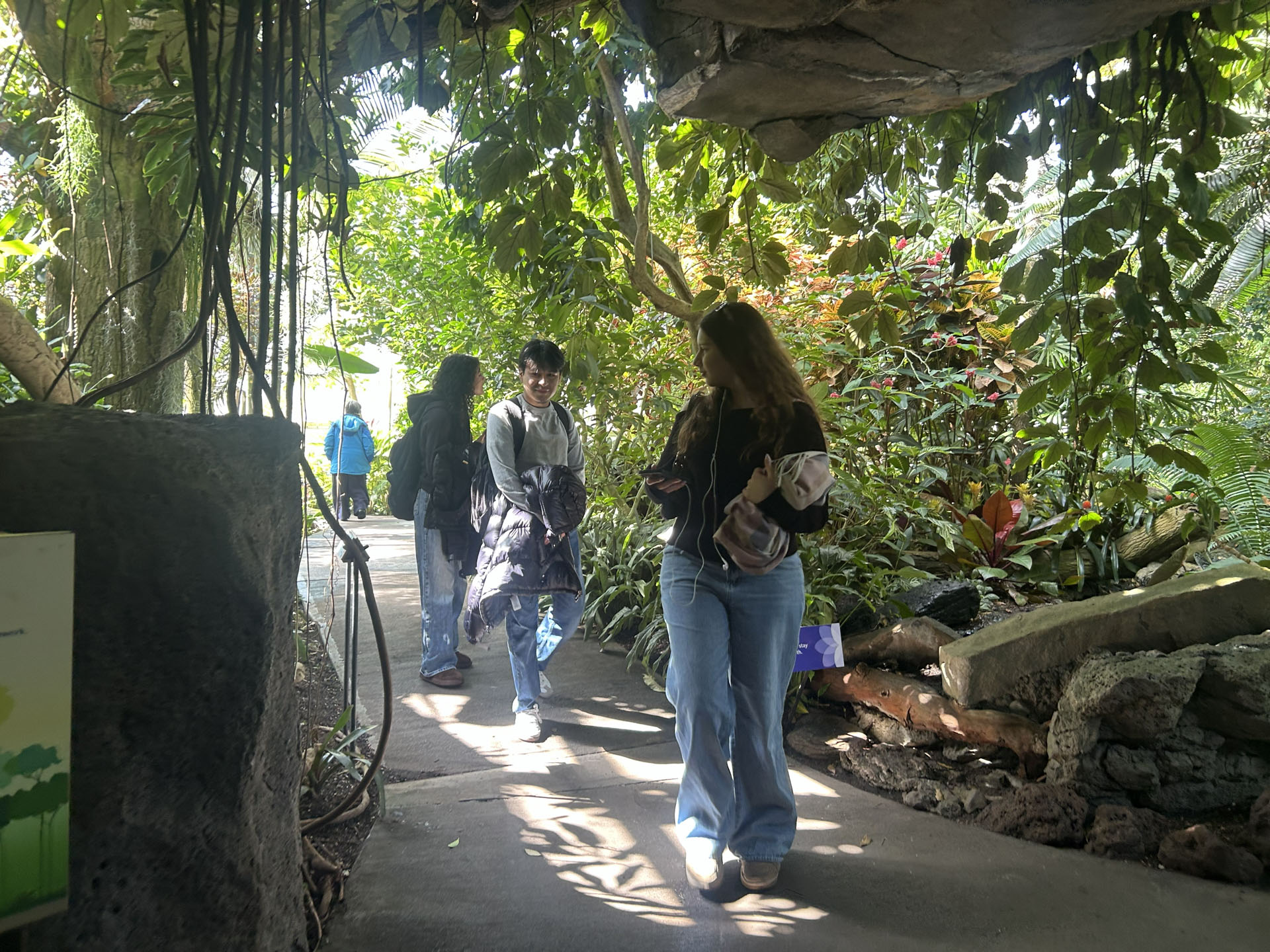
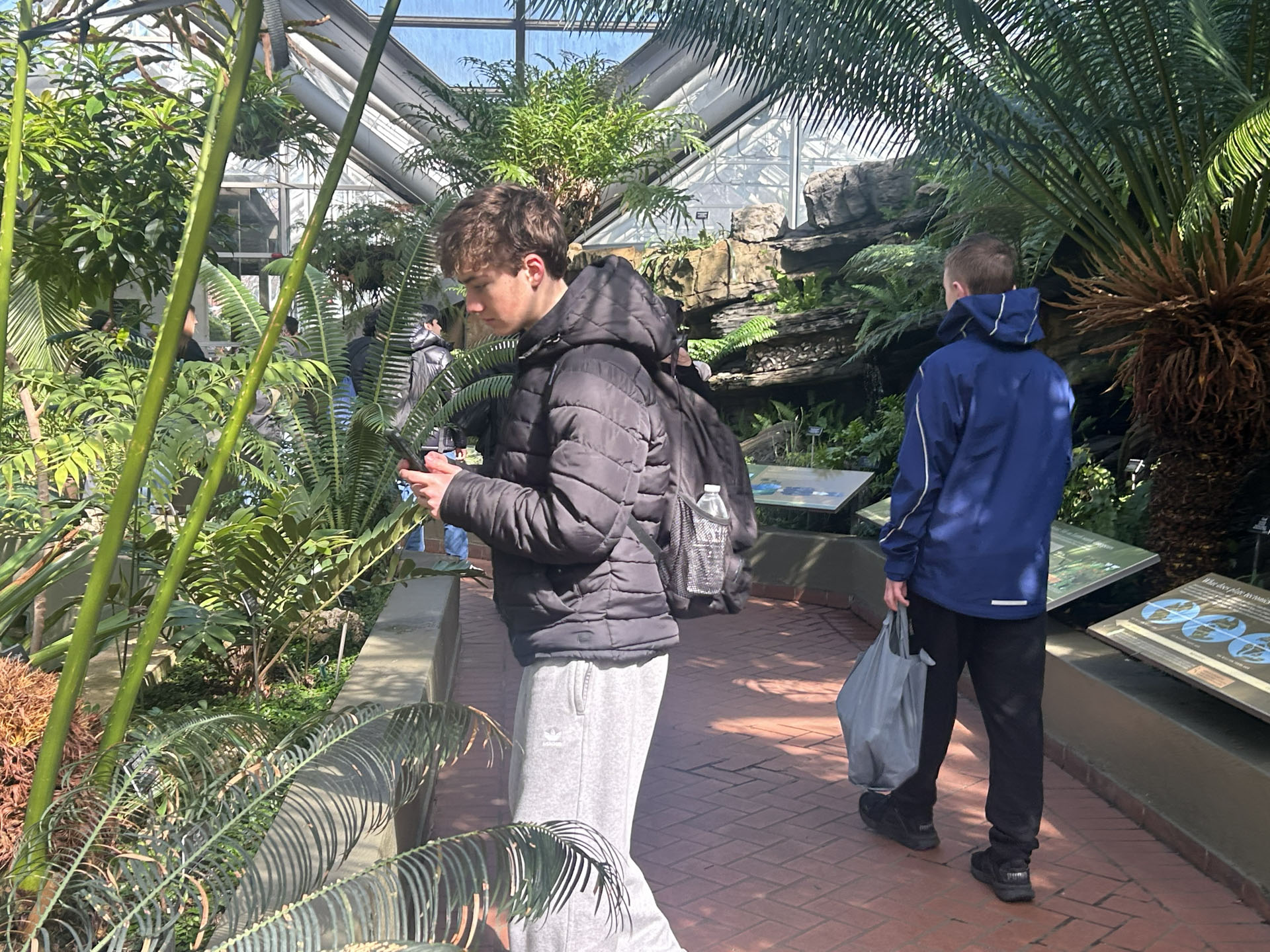
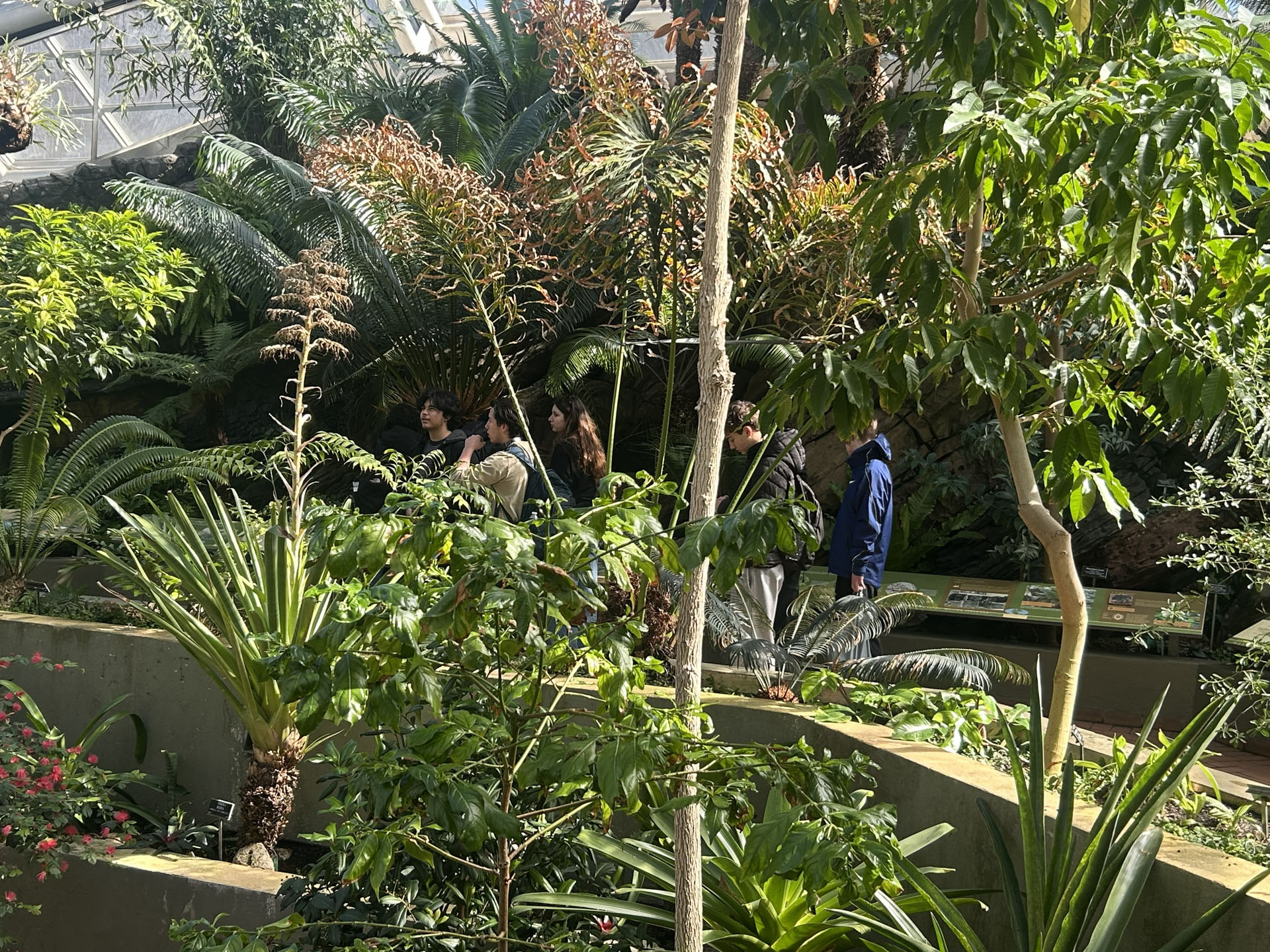
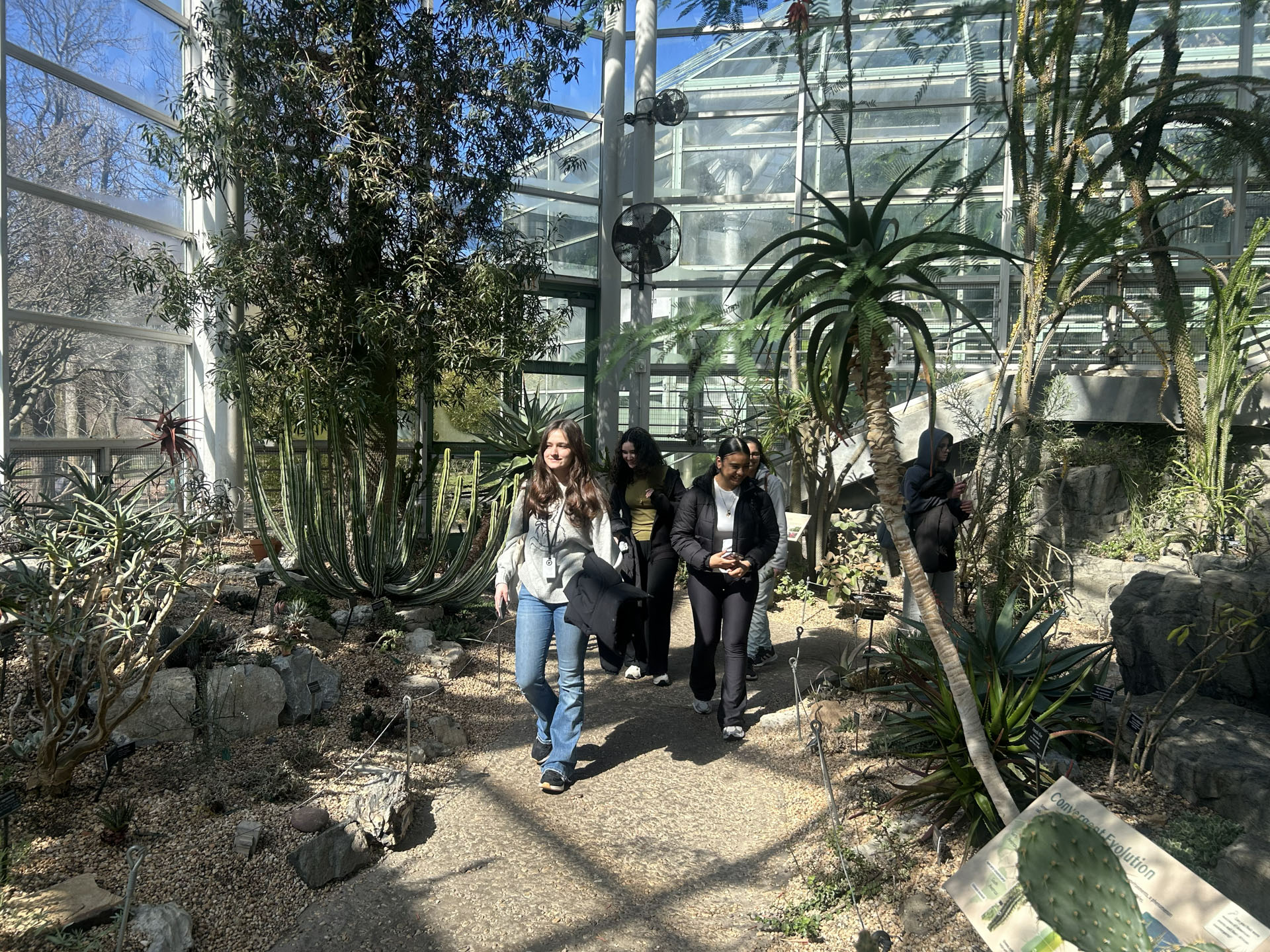
Moving through the garden’s diverse environments including the desert biome, tropical pavilion, and bonsai collection, students were given a rare opportunity to engage closely with nature during the late winter/early spring season. These immersive biodomes allowed them to observe, up close, the complexity and efficiency of natural systems that often go unnoticed.
The visit was grounded in a clear purpose. Students were challenged to look intentionally at the natural world, identifying organisms whose structures and functions could inform architectural and engineering solutions. With guidance from peers and supporting staff Mr. Morrision and Ms. Docampo, they worked to “unlock” the strategies embedded in nature examining how plants and ecosystems solve problems related to structure, resilience, and adaptation.
As one student reflected, "This field trip was a great experience as it taught us the importance of how nature plays an important role in architecture and how to apply it in our designs." — Daniella Dominguez
This exploration serves as the foundation for their upcoming biomimicry pavilion projects, which they will begin this spring. By studying how nature performs sophisticated engineering feats, students gathered inspiration that will directly inform their design process in the weeks ahead. As another student explained, "This trip gave me in person examples of how the nature of plants can be implemented into architecture to solve a problem. It has given me a good foundation for our next project." — Aris Kaltsis
The experience also highlighted the role of mentorship, as the simulated class worked alongside sophomores to deepen observations, ask critical questions, and support their analytical thinking in real time. Reflecting on the hands-on learning experience, one student shared, "This awesome field trip to the botanical garden showed me how nature designs its own structures that combat harsh weather conditions and how it adapts when it gets hotter or warmer. Observing these plants and how they use the structure to make a plant stable inspired me to think about how buildings can be both stable and flexible at the same time. This trip gave me plenty of ideas and I had a great time with my friends." — Gabriel Kubowicz
Overall, the trip emphasized that some of the most innovative design solutions already exist in the natural world students just need to slow down, look closely, and learn how to translate those ideas into architecture.